Think of it as the demolition crew showing up before the construction crew
In the CY 2014 PFS proposed rule (78 FR 43287 through 43288) and final rule (78 FR 74236 through 74237), we detailed the steps necessary to accomplish this result (see steps 3, 10, and 18)

each 10% reduction in homocysteine is associated with 1.45-2.55 reduction in pulse pressure mmHg in patients undergoing hemodialysis (14)(27)(31) Increased urinary excretion of homocysteine in its sulfonated form (36) Omega-3 fatty acids 200-6,000 mg (~98-2,000 mg EPA/490-1,000 mg DHA) per day, for 1-12 months in patients with hyperhomocysteinemia or elevated homocysteine within normal ranges (8)(11)(13)(17)(18)(19)(25)(30)(42)(43) Reduced homocysteine by 1.18-1.58 mol/L on average using wide dose ranges, as shown in meta-analyses (8)(18) Reduced homocysteine by ~2.5-4.0 mol/L in patients with type II diabetes, patients on hemodialysis, or healthy adults using mid-range doses of 2,000-3,600 mg per day for 1-3 months and up to one year (11)(17)(25)(30)(42)(43) Reduced homocysteine by ~1.6 mol/L over 12 months in patients younger than 65 years, previously suffering from myocardial infarction (13) Adjunct therapy with folic acid, vitamin B6, and vitamin B12 improved efficacy (8)(17) Adjunct aerobic exercise and cognitive stimulation may be required for benefit in some populations, including older adults with mild cognitive impairment (19)

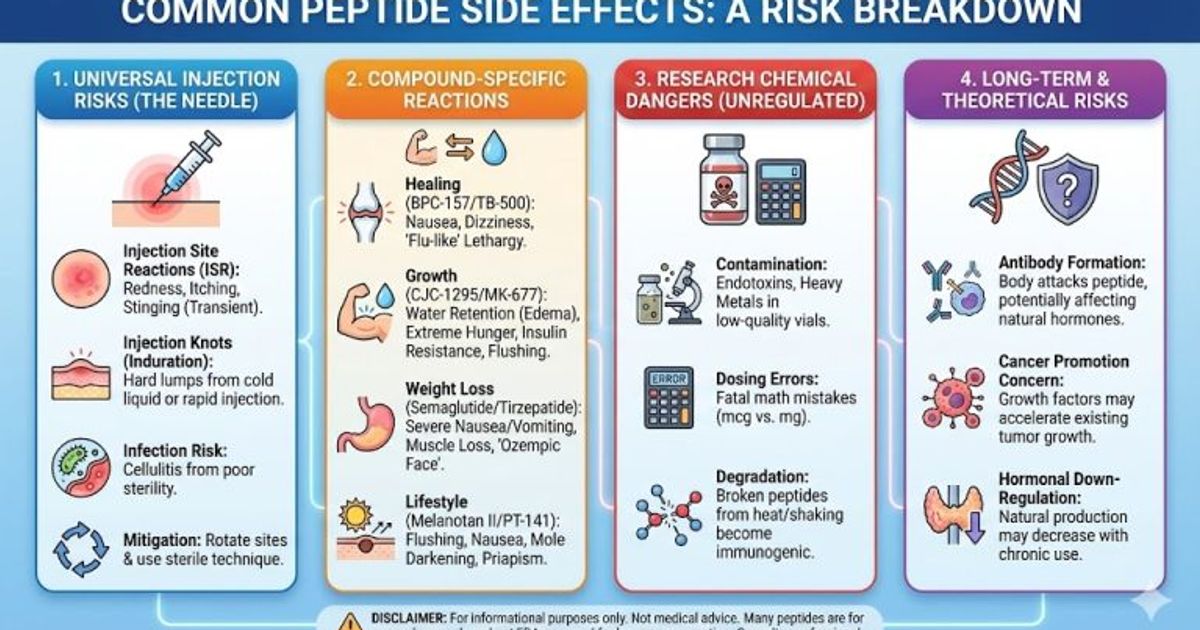
"How Do I Know It's Safe?" When administered in-office by licensed medical professionals following established protocols, BPC-157 is generally very well-tolerated